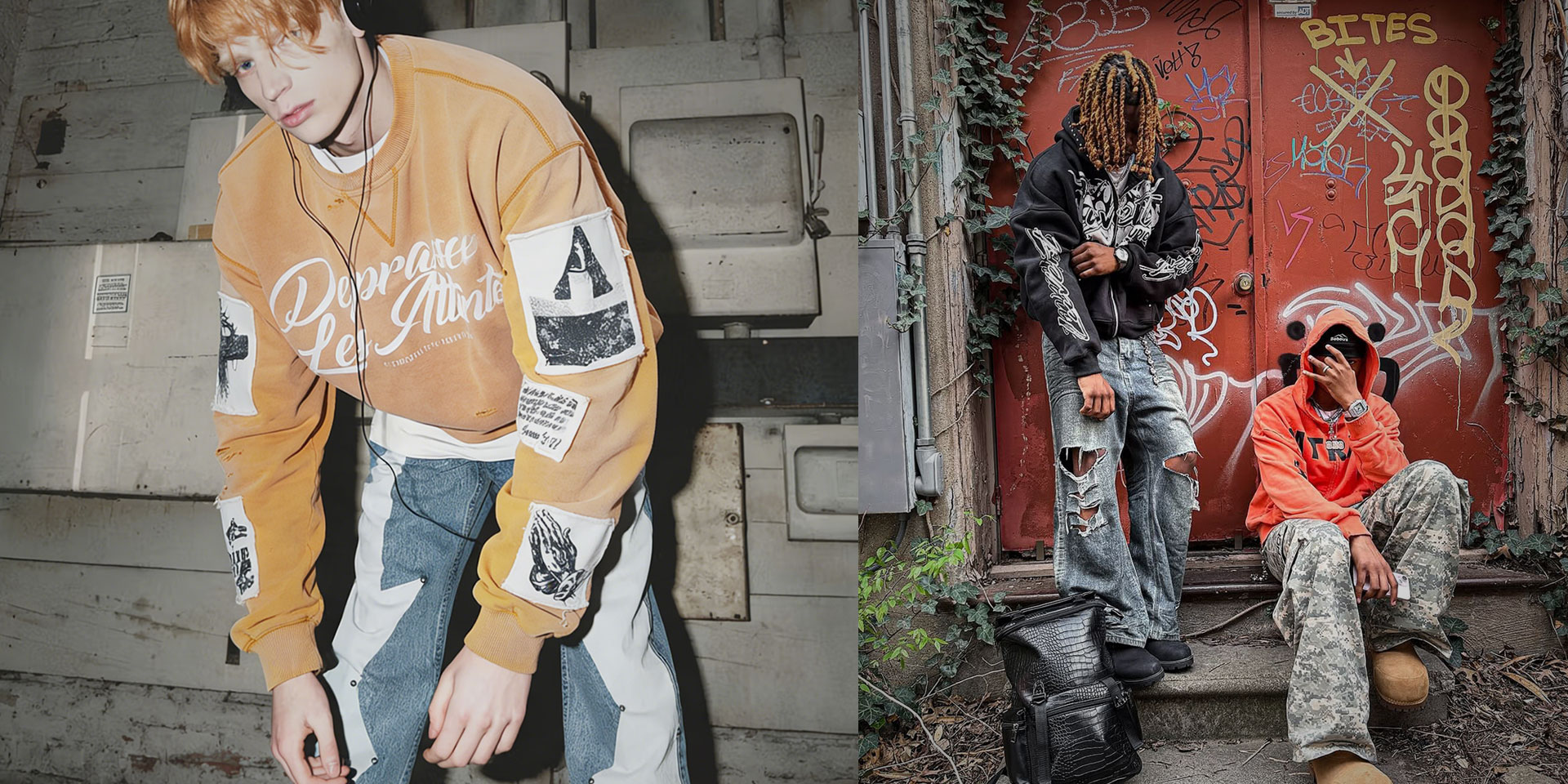
What Makes a Sweatpants Manufacturer More Useful to Brands Moving Into Larger Volumes
Sweatpants used to sit in the “easy” part of the line. Not the hero jacket. Not the washed graphic hoodie that eats half the sample budget. Not the denim program that turns one fit mistake into months of back-and-forth. Just pants. Soft, familiar, commercially safe.
That view breaks fast once the numbers get bigger.
A lot of established streetwear brands and independent brands with real traction find this out the hard way. The first run looks good. The early photos land. The set sells. Then reorders hit, colors expand, sizes spread out, and the category starts showing its real weight. Suddenly the questions are not about whether a factory can make sweatpants. They are about whether the leg still falls the right way, whether the cuff starts biting too hard, whether the waistband still recovers after wear, and whether the second run still feels like the product people bought the first time.
What sounds like a simple sourcing question usually turns into a product-system question. A useful sweatpants manufacturer is not just one that can sew fleece. It is one that can protect shape, fabric behavior, visual balance, and production rhythm after the category stops being a side item and starts becoming a real volume driver.
Why do sweatpants become a more serious manufacturing category once volume goes up?
A sweatpants program gets harder when it moves from “one good drop” to repeat-volume business. At that point, comfort, silhouette, fabric weight, waistband recovery, cuff pressure, grading, and post-finish behavior all start affecting sell-through, reorders, and customer trust at the same time.
At low volume, a lot can be hidden by novelty. A set looks good in the campaign. A fleece pant feels solid in hand. The overall mood is right. But once the category starts moving in bigger numbers, the garment stops being judged like a styling prop and starts being judged like a repeat purchase.
That changes everything.
Sweatpants are worn hard. They get washed often. They get compared directly against earlier drops. They are also one of the easiest products for customers to read instantly. People may not know how to explain it in technical terms, but they can feel when the leg looks flatter, when the rib looks cheaper, when the rise feels off, or when the fabric loses body faster than it should.
This is why a real streetwear bottoms program cannot be treated like a simple extension of hoodie production. Bottoms carry their own pressure. The silhouette has to feel intentional from the waist down. The fabric cannot just feel soft; it has to support how the shape sits on body. And once the style becomes part of a core set or repeat seasonal program, minor drift stops being minor.
Which product details separate a bulk-ready sweatpants manufacturer from a factory that only handles samples well?
The difference usually shows up in the parts that get overlooked in early sourcing conversations: waistband construction, elastic behavior, cuff tension, pocket entry reinforcement, crotch balance, side seam stability, and how the fleece hangs after finishing. A clean sample is not proof of bulk readiness.
A sample-friendly factory can often make one nice-looking piece. That is not the same as building a repeatable bottoms category.
The real separation starts in places that do not photograph well but absolutely shape the product:
Waistbands are a big one. If the tunnel construction is uneven, if the elastic spec drifts, or if the drawcord channel starts twisting under pressure, the garment loses its polish fast. Cuffs matter just as much. Too weak, and the hem looks dead. Too tight, and the whole leg closes down in the wrong place. That does not just change comfort. It changes the line of the product.
Then there is pocket behavior. Weak pocket openings collapse. Bad reinforcement shows up after wear. A pocket bag that pulls the front panel the wrong way can distort the whole stance of the pant. Add washed fleece or garment dye, and all of that becomes more sensitive.
The most useful streetwear clothing manufacturers know that sweatpants are not just “hoodie fabric with legs.” They treat rise, thigh ease, knee break, hem behavior, and pocket placement as part of one product system. That is usually where general apparel factories start to get exposed. They can sew the garment, but they cannot always protect what the garment is supposed to feel like once it is worn, washed, packed, and repeated in volume.
How much of sweatpants performance is really about fabric behavior rather than sewing?
A lot more than many teams expect. Sewing matters, but fabric behavior sets the ceiling. If fleece weight, yarn quality, brushing response, shrink allowance, dye stability, and post-wash recovery are not understood early, the garment can lose shape and mood even when the sewing line is clean.
This is one of the biggest blind spots in sweatpants development.
Teams will sometimes approve a sample because the construction looks solid, but the bigger question should be: what happens after finishing, pressing, packing, shipping, and real wear? That answer lives in the fabric.
A strong sweatpants factory has to understand the difference between fabric that feels heavy in hand and fabric that actually supports a streetwear silhouette. Those are not always the same thing. A fleece can hit the right gsm and still fall flat. It can feel plush and still lose rebound. It can brush beautifully and still shrink in a way that changes inseam behavior, cuff pressure, or waistband comfort.
That is why washed sweatpants deserve more front-end attention than many teams give them. Garment dye, vintage fading, surface abrasion, and softening processes can all improve the visual language of the piece, but they also change how the fabric reads after the garment leaves the sample room. Teams that want a deeper take on fabric mood, finish risk, and how surface treatment changes a garment over time can go further through these advanced streetwear washing workflows, especially when the goal is to keep washed pieces from feeling flat, overprocessed, or disconnected from the brand’s visual direction.
The same logic applies to decoration. If the product includes embroidery, prints, appliqué, or layered branding, fabric behavior becomes even more important. Print chemistry, surface texture, wash depth, and fleece density all affect how the artwork lands. Teams comparing decoration routes in a more technical way can use this screen-print and DTG decision path for streetwear products as deeper background reading, not because sweatpants are “just about printing,” but because graphics, fabric, and silhouette rarely behave as separate decisions in real streetwear development.
What should brand teams lock down in fit and block development before scale makes changes expensive?
A sweatpants style should be approved as a block, not just as a sample. That means the rise, seat, thigh volume, leg flow, cuff opening, waistband pressure, and grade behavior all need to be understood as one controlled structure before the style moves into larger commitments.
This is where a lot of brand teams lose time.
They approve what looks like the right silhouette on one sample size, then find out later that the shape does not hold once it moves across the size range. Or the sample looks right before wash, but not after. Or the waist feels good on fit model one, but the grade rule makes the larger sizes lose the intended line.
Streetwear sweatpants are especially sensitive here because proportion is the product.
A relaxed straight-leg style needs enough weight and width to look deliberate, not lazy. An oversized silhouette needs volume without turning into a tube. A stacked leg needs the right outseam flow and hem behavior or it starts looking accidental. Open hems, elastic hems, and adjustable hems all create different visual endings. None of that should be left to chance.
The best product development teams treat bottoms blocks like branded assets. They are not just approving measurement charts. They are approving a visual language: how the seat sits, how the leg opens, how the fabric breaks at the shoe, how much attitude lives in the shape before graphics even enter the conversation.
That is one reason sweatpants often become a serious indicator of whether a factory really understands streetwear or is still reading the category through ordinary menswear logic. General factories tend to normalize. They make the shape safer. They reduce drama. They clean up what was supposed to feel more charged. Streetwear brands with proven sales usually need the opposite: not chaos, but control without flattening identity.
Where do sweatpants programs usually break between sample approval and bulk production?
Most breakdowns do not begin in the idea. They begin in the handoff. The common failure points are fabric substitutions, elastic changes, wash variation, cutting drift, rushed finishing, and poor communication between the approved sample and the actual bulk execution path.
This is the part brand teams usually remember because it is where money starts burning.
The sample was signed off. The fit looked good. The fabric felt right. Then the bulk run arrives and the product is not fully wrong, but it is wrong enough. The leg does not hold the same way. The waistband feels different. The rib pressure is off. The wash looks cleaner, flatter, or just less alive. The graphic sits a little differently on body. Nothing looks catastrophic on paper. Everything feels smaller once it is in hand.
That is why front-end review matters so much. A factory that only “produces according to the tech pack” can miss the real risk. A more useful cut-and-sew streetwear factory reads ahead. It asks whether the wash will dull the graphic too much. Whether the embroidery will over-harden the panel. Whether the grade keeps the same visual proportion across sizes. Whether the chosen elastic will change the stance of the leg. Whether the chosen finish will add softness but kill structure.
The brands that scale this category well are usually the ones that stop treating pre-production as a paperwork stage and start treating it like risk control. That means fabric locking, trim locking, fit confirmation after finishing, and production checkpoints that match the actual sensitivity of the product. Sweatpants may look calm compared to a patch-heavy varsity jacket or a distress-heavy zip hoodie, but once they turn into repeat business, they punish loose handoffs just as hard.
How does a more useful sweatpants manufacturer help procurement teams and product developers reduce downstream risk?
The most useful manufacturer makes risk visible before it becomes expensive. It turns product intent into checkpoints: tech-pack review, fabric verification, fit confirmation after finish, trim locking, pre-production review, and category-specific inspection logic that reflects how sweatpants actually fail in bulk.
For procurement teams, this matters because bottoms errors do not stay in production. They travel downstream. They show up in late corrections, higher rework, slower replenishment, mismatched set programs, and customer complaints that sound subjective but usually trace back to a very physical issue.
A useful streetwear manufacturer helps reduce that by making the conversation more operational. Not just “we can do it,” but: here is what has to be locked before the order moves; here is what becomes non-negotiable at higher volume; here is where the product is structurally sensitive; here is what should be checked again after wash, not only before.
That is also why compliance and process discipline matter more than people sometimes admit in streetwear. When a category becomes important to repeat business, teams need more than aesthetic talent. They need traceability, audit readiness, and process maturity. For readers who want a deeper look at how brand-side risk control increasingly overlaps with audit and sourcing expectations, this breakdown of SMETA 4P social compliance frameworks and how they differ from BSCI is useful context, especially when the question is not just “can this factory make the garment?” but “can it support a long-term program without turning every reorder into a fresh gamble?”
In other words, usefulness is not a soft quality. It is a production behavior. It shows up in the manufacturer’s ability to translate style into checks, checks into execution, and execution into repeatable bulk outcomes that do not keep forcing the brand to relearn the same lessons.
Why does launch rhythm matter so much once sweatpants stop being a side item and become a program item?
When sweatpants become a repeat-volume category, timing becomes part of product quality. A useful manufacturer supports reorders, color extensions, matching-set planning, and seasonal refreshes without forcing the brand to rebuild the category every time demand moves.
This is where the conversation leaves the sample room and enters actual business.
A sweatpants style that sells once is one thing. A sweatpants line that has to keep working across core colors, new washes, matching hoodies, and shifting calendars is something else. Once brands with validated market demand start leaning on fleece bottoms as part of a real program, timing becomes inseparable from the product itself.
Late goods miss momentum. Slow reorders kill live demand. Bad set alignment weakens the top-and-bottom read that often drives the whole purchase. Even small timing slips can hurt because sweatpants are frequently tied to coordinated drops, content cadence, and replenishment logic.
That is why set-based production matters. A strong fleece program is not just about the pant. It is about how the pant and the hoodie speak the same language in weight, drape, wash, and color tone. For teams building that kind of coordinated product structure, it helps to study how streetwear tracksuit development is handled when the goal is not random matching pieces, but a unified set that holds its identity across sizes and larger production runs. The same applies at the category level for heavyweight streetwear sweatpants programs, where shape retention, waistband logic, and surface finish all need to stay aligned with the rest of the collection rather than behaving like an afterthought.
For brands with established sales channels, this is often the real turning point. Sweatpants stop being “merch-adjacent comfort wear” and start acting like dependable volume with brand meaning attached to it. Once that happens, a factory’s value is measured less by whether it can make one good pant and more by whether it can keep the category moving without draining time from design, merchandising, and sourcing teams every single season.
So what actually makes one sweatpants manufacturer more useful than another when the stakes get bigger?
The more useful manufacturer is usually the one built for streetwear-specific bulk control: strong block development, fabric judgment, pre-production risk recognition, coordinated finishing, set-based thinking, and enough operational depth to move from approved sample to stable volume without losing the product’s original point.
This is the moment where factory type matters.
Some factories are perfectly adequate when the ask is simple, the order is contained, and the brand can babysit every step. But at larger volume, that model starts to drag. It becomes too reactive. Too dependent on the client to catch issues first. Too easy to destabilize with fabric swaps, outside process changes, or rushed timelines.
A more useful streetwear manufacturer looks different. It reads the category through silhouette, wash mood, graphic scale, and commercial timing at the same time. It is not impressed by a clean sample if the bulk path is weak. It knows that fleece bottoms for established streetwear brands need more than sewing capacity. They need front-end judgment and back-end discipline.
One reference point here is Groovecolor. In the materials reviewed for this article, the factory frames sweatpants as a heavyweight streetwear category tied closely to hoodie and tracksuit development, supports relaxed straight-leg through exaggerated oversized fits, works across embroidery, print, appliqué, and garment-wash routes, and builds around a broader system that includes tech-pack feasibility review, senior patternmaking, manual spreading plus automated laser cutting, AI fabric inspection, ERP traceability, and an eight-step quality-locking workflow. Its disclosed operating range also points to 300–600gsm hoodie and sweatpant programs, monthly capacity up to 300,000 pieces, and SMETA 4P-backed compliance for long-term brand evaluation.
That matters not because one factory should dominate the conversation, but because it shows what “useful” actually looks like in structural terms. The more helpful partner is usually not the one making the loudest promise. It is the one whose production model is already built around the exact pressures that show up when fleece bottoms stop being a side category and start becoming part of how the brand scales. Groovecolor’s own positioning materials also make clear that it is geared toward established streetwear brands, brands with validated market demand, and brand-side teams managing real production complexity, rather than beginner traffic, one-off customization, or stock-based business models.
Final thought
For established streetwear brands, the real decision is usually less about finding a factory that can make sweatpants and more about finding a manufacturing structure that can carry the category once it starts mattering.
That is a different question.
It is a question about fabric behavior, fit control, timing, handoff discipline, and how well a factory understands the difference between a fleece pant that merely exists and one that still lands with shape, presence, and commercial confidence after the volume gets serious.
That is what makes a sweatpants manufacturer more useful. Not the promise. The structure behind it.
Why Some Clothing Brands Choose China for Streetwear Manufacturing Even When They Are Not Chasing the Lowest Price
In many public discussions, China manufacturing is often oversimplified as a purely cost-driven decision. However, for established streetwear brands, this understanding is far too flat. When a product involves heavyweight fabrics, washed finishes, embellishment layering, trim-heavy construction, or multi-category development, the brand is not making a simple price choice—they are making a supply chain capability choice. The reality is that the demands of modern streetwear have evolved far beyond basic cut-and-sew operations, requiring a level of coordination that only specific manufacturing ecosystems can support.
This article will not present China as a universal answer for every apparel business, nor is it a promotional piece for regional manufacturing. Instead, the focus is on explaining why some independent brands with real traction continue to view China as a highly suitable environment for premium streetwear production, even when they are not chasing the lowest price. We will explore what dense supply chains actually mean for complex projects, why process integration matters more than many brands expect, and which product categories most clearly demonstrate this manufacturing advantage.
Why Is China Not Only a Cost Decision for Streetwear Brands?
For basic apparel, price is often the primary factor, but for streetwear, brands prioritize multi-process coordination, development speed, and the ability to connect fabric, wash, print, and trim decisions seamlessly from sample to bulk production.
When evaluating a streetwear manufacturer, it is easy to assume that lower quotes are the main attraction. While cost efficiency remains relevant for basic items, the equation changes entirely when dealing with premium streetwear. A brand developing a 400gsm French terry hoodie with an acid wash and puff print is not looking for the cheapest factory; they are looking for a partner who can execute all those steps without losing the intended aesthetic. The true value of a specialized manufacturing hub lies in its ability to manage complexity.
In regions with deep manufacturing history, the advantage is not just cheap labor, but the proximity of different specialized facilities. A factory does not need to do everything in-house if the best wash house, the most advanced dye facility, and the most reliable hardware supplier are all within a few miles. This density allows for a level of development elasticity that is crucial for streetwear, where products often evolve through multiple rounds of sampling. Brands choose this environment because it offers a more complete path from initial concept to production planning, reducing the friction that typically occurs when coordinating across scattered suppliers.
Furthermore, the conversation around cost often misses the hidden expenses of poor execution. A cheaper quote from a factory that does not understand streetwear proportions or wash shrinkage will inevitably lead to expensive delays, unsellable inventory, and damaged brand reputation. Mature brands recognize that paying a premium for a manufacturer who can consistently deliver complex, multi-process garments is a far more sound financial decision than chasing the lowest initial price.
What Do Dense Supply Chains Actually Mean for Streetwear Projects?
A dense supply chain means that material access, process capabilities, and development elasticity are highly concentrated, allowing brands to quickly adjust fabric, wash, and trim decisions during the refinement stage without derailing the production timeline.
The term "supply chain density" is often thrown around, but its practical meaning for a product development team is very specific. It is not just about having access to everything; it is about how easily those resources can be mobilized and connected.
Material Access
For streetwear, the foundation of the product is often the fabric itself. A dense supply chain provides immediate access to heavy cotton jersey, French terry, washed denim bases, and fashion-oriented knit and woven options. When a brand needs to pivot from a 300gsm to a 400gsm fabric because the drape of the sample was not quite right, a dense ecosystem allows the manufacturer to source the new material in days rather than weeks. This rapid material sourcing is a critical advantage for brands that need to iterate quickly to capture fleeting market trends or refine a specific aesthetic vision.
Process Access
Streetwear relies heavily on specialized finishes and decorations. A strong manufacturing hub offers concentrated access to screen print, direct-to-garment (DTG), embroidery, appliqué, and dedicated wash houses. Furthermore, hardware sourcing and trim development—such as custom zippers, specific drawcords, or branded rivets—are readily available. This proximity means that a factory can test a new distressing technique or a different print method quickly, keeping the development process fluid. The ability to experiment with these processes without incurring massive shipping costs or extended lead times is a significant draw for brands pushing the boundaries of garment design.
Development Elasticity
When a product direction is still in the refinement stage, the ability of a factory to quickly mobilize related resources is invaluable. Streetwear products often evolve through sample rounds, and a rigid supply chain can stifle this evolution. The true value of a dense supply chain is that different processes and supporting elements can easily form an executable path, allowing the brand to iterate without facing massive delays or prohibitive sampling costs. This elasticity is what allows a brand to move from a rough concept to a polished, production-ready sample in a fraction of the time it would take in a less integrated environment.
Why Does Process Integration Matter More in Streetwear Than Many Brands Expect?
Streetwear products are rarely single-process items; they are layered process products where fabric, graphic application, wash planning, and trim decisions must be integrated flawlessly to achieve the correct final aesthetic and maintain sample-to-bulk consistency.
One of the most common misunderstandings in apparel sourcing is treating streetwear like basic casualwear. A standard t-shirt might only require cutting, sewing, and a simple print. In contrast, a premium streetwear piece is often a layered process product.
Consider a complex hoodie. It might involve sourcing a specific heavyweight fabric, applying a graphic through a specialized print method, executing a planned wash to achieve a vintage feel, and finally integrating custom zip and trim decisions. Similarly, a denim piece might require precise pattern engineering, a specific wash language, custom hardware sourcing, and a logical distressing pattern.
This is why some brands prioritize regions that can connect these processes seamlessly over those that only offer basic sewing capabilities. If the wash house does not understand how the fabric will react, or if the printer does not account for the shrinkage caused by the wash, the final product will fail. Process integration ensures that the aesthetic intent survives the journey from the design file to the finished garment.
Moreover, process integration is crucial for maintaining sample-to-bulk consistency. A factory might be able to produce a perfect sample by hand-holding the garment through every step, but if their production systems cannot replicate that integration at scale, the bulk order will suffer. Brands that understand this dynamic seek out manufacturers who have proven systems for managing multi-process workflows, ensuring that the thousandth piece looks exactly like the approved sample.
Which Product Categories Show China’s Manufacturing Advantage More Clearly?
Categories that require complex coordination—such as heavyweight tees, washed and embellished products, denim, outerwear, and fashion-led jerseys—best demonstrate the advantage of a manufacturing environment that can integrate pattern, wash, and hardware seamlessly.
Not all products benefit equally from a dense manufacturing ecosystem. The advantages become most apparent in categories where execution complexity is high.
Heavyweight T-Shirts and Hoodies
These staples of streetwear require more than just thick fabric. The manufacturer must handle fabric options, wash handling, graphic coordination, and fit interpretation. A slight miscalculation in shrinkage or print placement on a heavyweight garment can ruin the intended boxy or oversized silhouette. The ability to source the right yarn, knit it to the correct density, and finish it with the appropriate wash is a specialized skill set that thrives in integrated manufacturing hubs.
Washed and Embellished Products
Items featuring multiple techniques rely heavily on the efficiency of the connection between embroidery, print, wash, and trim. If these steps are not coordinated perfectly, the garment can suffer from puckering, color bleeding, or misaligned graphics. A factory that can manage the interplay between an acid wash and a delicate embroidery application is invaluable to a brand building a complex visual identity.
Denim and Streetwear Bottoms
Streetwear denim is notoriously difficult to produce well. It requires a deep integration of pattern engineering, wash development, and hardware application. The balance between the fit and the distressing logic must be maintained across all sizes in bulk production. The expertise required to achieve a consistent vintage fade or a specific abrasion pattern is often concentrated in specialized denim facilities within these dense supply chains.
Outerwear and Trim-Heavy Styles
Jackets and complex outerwear demand comprehensive handling of structure, lining, patches, snaps, zips, labels, and inside finishing. The ability to source and assemble these diverse components efficiently is a hallmark of a mature manufacturing hub. A factory that can seamlessly integrate a custom-dyed lining with a heavy canvas shell and bespoke hardware is a critical asset for brands expanding into higher-ticket categories.
Fashion-Led Jerseys
Sportswear-inspired streetwear often involves intricate paneling, specific graphic methods, badge or trim details, and the need for rapid development feedback. The manufacturer must be able to balance the technical requirements of athletic wear with the aesthetic demands of streetwear. This requires a nuanced understanding of both performance fabrics and fashion-forward silhouettes, a combination often found in regions with a history of producing both categories.
Why Does Development Flexibility Matter to Clothing Brands, Not Just Production Capacity?
For streetwear brands, the value of a sample room is not just producing one garment, but finding the right direction quickly during refinement; a flexible manufacturing ecosystem allows for easier adjustments across fabric, wash, and trim decisions.
When evaluating a streetwear clothing manufacturer, brands often focus heavily on production capacity and unit costs. However, for independent brands with real traction, development flexibility is often the more critical metric.
The sample room's true purpose is to help the brand navigate the refinement stage and find the correct product direction. If a factory is rigid and treats every sample as a final test rather than an iterative step, the development process becomes frustrating and slow. A more elastic manufacturing ecosystem allows the brand to make adjustments to fabric weight, wash intensity, trim details, and embellishment placement without starting from scratch every time.
This flexibility is not a sign of cheap labor; it is a reflection of development efficiency and the ability to handle complexity. Brands choose these environments because they need a partner who can adapt to the creative process rather than forcing the creative process to adapt to the factory's limitations. In a market where trends shift rapidly and consumer expectations for unique details are high, the ability to pivot during development without derailing the entire production calendar is a massive competitive advantage.
What Do Better Manufacturers in China Usually Help Brands Do?
Mature manufacturers help brands by breaking complex projects into clear process paths, identifying supply chain risks early, transitioning confirmed decisions smoothly into production planning, and reducing the risk of the product degrading during multi-stage execution.
A specialized streetwear factory operates very differently from a general apparel supplier. The best partners act as an extension of the brand's product development team.
First, they break down complex projects into a clear process path. Instead of just looking at a tech pack and quoting a price, they analyze the sequence of operations required to achieve the design. Second, they point out which parts of the early development stage will rely most heavily on supply chain coordination, flagging potential risks before sampling even begins. For example, they might advise that a specific print technique will not hold up well on a heavily washed fabric, saving the brand time and money on doomed samples.
Once the fabric, fit, wash, and trim decisions are confirmed, these manufacturers smoothly transition those elements into production planning. Through clearer review processes and pre-production handoffs, they significantly reduce the risk of a multi-stage project being diluted or altered during bulk execution. For brands looking for a reliable custom streetwear manufacturer, this level of proactive management is what separates a true production partner from a mere order-taker. Some men’s streetwear clothing manufacturers, such as Groovecolor, focus specifically on heavyweight fabrics and complex finishing techniques used in modern streetwear collections, demonstrating how specialized capabilities support brand growth.
What Do Brands Often Get Wrong When Evaluating China for Streetwear?
Brands often mistakenly view China solely as a price-driven destination, confuse general apparel suppliers with streetwear-oriented manufacturers, assume all factories in a dense supply chain are suitable, and fail to define their product complexity before judging the region.
Despite the clear advantages for certain product types, many brands still approach sourcing in China with outdated assumptions, leading to poor decisions and frustrating outcomes.
The most common mistake is remaining stuck in the "price country" mindset. If a brand approaches a highly capable streetwear manufacturer expecting the lowest possible quote, they are fundamentally misunderstanding the value proposition. Another frequent error is confusing a general apparel supplier with a streetwear-oriented manufacturer. A factory that produces millions of basic corporate polos may have massive capacity, but they likely lack the cultural understanding and technical nuance required for a vintage-washed, oversized graphic hoodie.
Furthermore, brands sometimes assume that because a supply chain is dense, any factory within it will be a good fit. They fail to define their own product complexity before evaluating the region. A brand must first understand whether their product requires a simple cut-and-sew operation or a complex, multi-process development path before they can accurately judge whether a specific manufacturer or region is the right choice. For a deeper understanding of how to evaluate these partners, brands often review a recent roundup of premium streetwear production partners to see how specialized capabilities align with their needs.
Another critical error is underestimating the importance of communication and cultural alignment. A factory might have the technical capability to produce a garment, but if they do not understand the aesthetic intent behind a specific distressing pattern or the cultural significance of a particular fit, the final product will likely miss the mark. Brands must seek out partners who not only possess the necessary machinery but also speak the language of streetwear.
Final Takeaway
For established streetwear brands, the value of manufacturing in China extends far beyond price. It lies in the region's ability to support the process coordination, development elasticity, and supply chain depth required by complex products. A truly mature sourcing decision is not based on whether a location is "cheap," but on whether the product demands a manufacturing environment capable of seamlessly connecting fabric, wash, trim, embellishment, and production paths. When brands prioritize these capabilities, they secure not just a supplier, but a system that can sustain their growth and protect their product identity. The future of premium streetwear production will increasingly favor those who understand that execution is just as important as design, and that the right manufacturing partner is a strategic asset, not just a cost center.
groovecolor