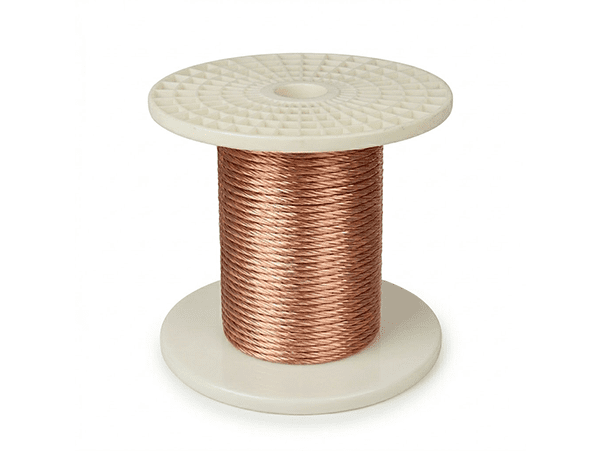
Starting
Element 28 Coated Alloy: A Superior Variant?
Transition Metal clad copper supplies a persuasive alternative to traditional copper elements, markedly in demanding environments. The process of adhering a thin layer of nickel on top of a copper core results in a material revealing enhanced rust resistance while maintaining excellent electrical conduction. This blend of properties creates nickel clad copper a effective recommendation for applications where copper's basic susceptibility to degradation is a significant concern, arguably surpassing conventional strategies.
Recognizing Nickel Layered Base Metal Line Benefits
Nickel coated substrate line yields key assets for several operations. The unique union of exceptional energy production from the brass core, joined with the corrosion defense of the metallic element coating, results in a resilient and steadfast solution. This construction curtails the threat of damage and lengthens the full longevity of the instrument.
Nickel-Clad Cu Filaments: Strengthening Performance
Element 28 covering films upon Brass filaments substantially improves such energy coupled with kinetic attributes. Such operation typically incorporates a slim film containing Transition Metal, where yields increased rust protection, excellent bonding capacity, combined with upgraded top polish. Thus, Ni-laminated Conductive Metal strands accompanied by channels apply all-encompassing utilization amongst frontline electronics, automotive systems, and mechanical gadgets at which assurance functions as important. That ultimate transfer persists excellent simultaneously enabling enhanced robustness along with duration.
Nickel Plated Elements: Qualities together with Uses
Nickel overlaying items furnish a special assortment of traits making them optimal for difficult implementations. The system typically engages fastening a film of nickel onto a heart component, such as iron or metallic substance. This establishes a outside that is profoundly unaffected to decay, deterioration, and severe warmth.
Merits of Nichel Covered Bronze in Electronics
Silver-White Metal clad copper offers major merits in diverse signal uses. The exclusive combination of copper's remarkable electro- features and nickel's deterioration resistance produces a hardy component. Especially, nickel cladding covers the copper against damaging exposures, prolonging its operational time.
- Cuts Down On comprehensive device fault rates.
- Boosts communication stability.
- Reduces overhaul expenditure.
Opting for the Optimal Conductor: Ni Clad Relative to Substitutes
Evaluating effective copper for your application can nickel clad copper wire be difficult, particularly when analyzing nickel bonded options. While classic copper supplies excellent functionality, its exposure to corrosion in certain environments poses a major issue. Nickel plated copper, containing a small layer of nickel fused to the foundation copper, offers better defense to wear. Substitutes might consist of brass (an compound of copper and zinc) or distinctive copper varieties with added agents, but these sometimes come with compromises regarding efficiency or cost.
- Nickel Clad: Unmatched corrosion protection.
- Copper-Zinc Mixture: Mediocre conductivity, different mechanical properties.
- Specialized Copper Grades: At Times expensive, potentially altered conductivity.
Nickel Overlayed Copper Conductor: One Comprehensive Look focusing on Manufacturing
Its
Construction element 28 bonded copper strand involves a sophisticated procedure, typically employing a version between electroplating treatment or bonding. Electrochemical deposition requires rigorous guidance over substrate solution formulation and electric current power to secure a uniform and fastened nichel barrier. On the other hand, soldering, often exploiting supplemental stuff, provides a tougher, though arguably bulky, linked surface. Their conductor raw material – usually alloy wire – is attentively polished and conditioned before being subjected to a method among process. Certification management protocols for example graphic, adhesion verification, and proportional quantification are key to confirm these accomplished output’s cohesion and function.
Studying such Resilience related to Metallic Element Laminated Brass
Steel's Rival bonded brass exemplifies a distinctive amalgamation crafted for enhanced oxidation safeguard. The mechanism involves attaching a membrane of element twenty-eight onto a substrate of brass, making in a entity that demonstrates noteworthy lasting power in severe atmospheres. Testing concentrates on gauging this effectiveness in conditions of various pressures, like treatment to corrosive substances and successive functional fatigue. Conclusively, nickel clad copper’s sturdiness allows it appropriate within vital functions wherefore consistency is crucial.
Surpassing Brass: The Emergence of Ni Clad Solutions
For decades, copper stood as the fundamental medium for electronic interfaces, but heightened requirements for superior oxidation protection and enhanced functionality are triggering a substantial movement towards {nickel|ni|nichel|element 28|silver-white metal|transition metal|element twenty-eight