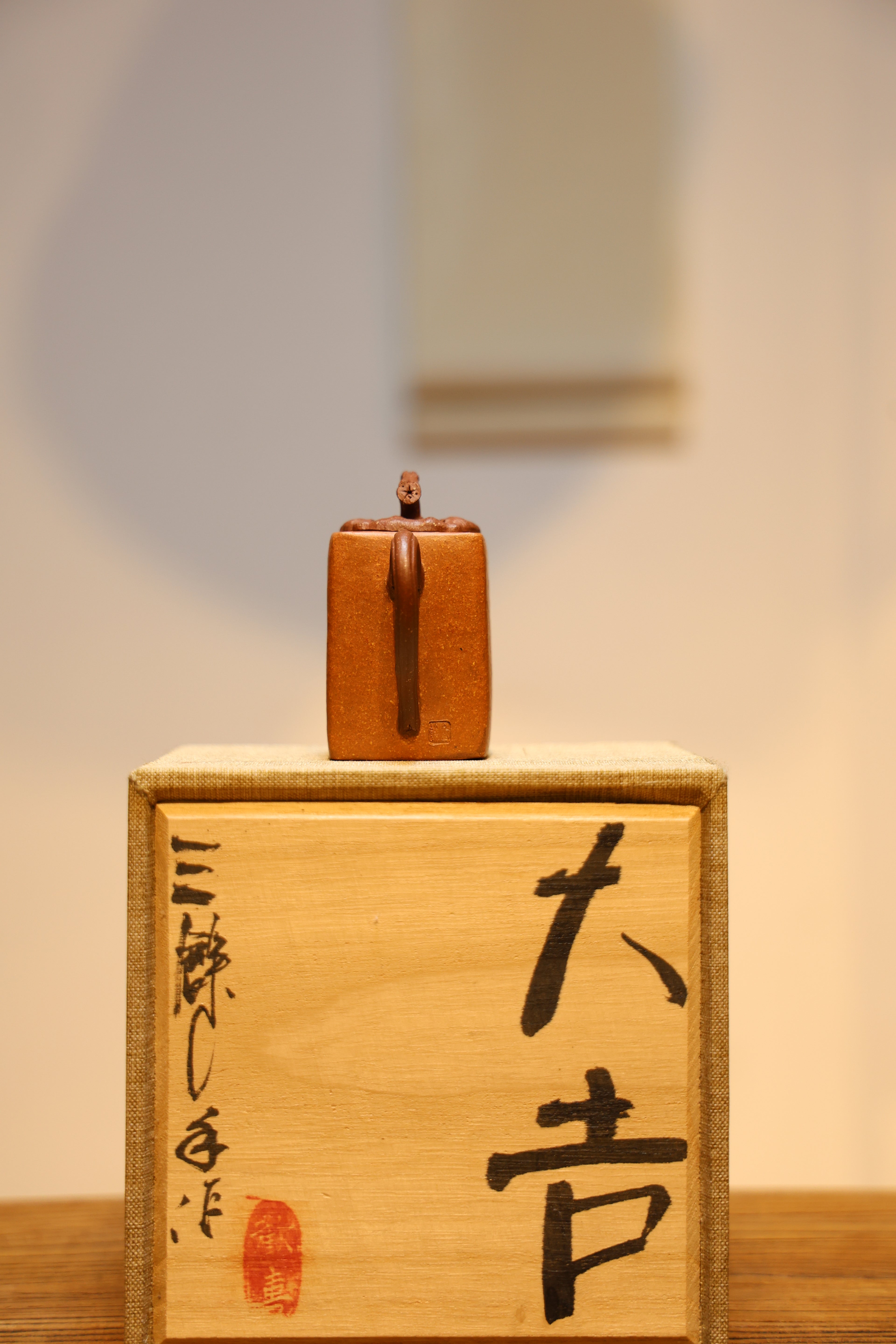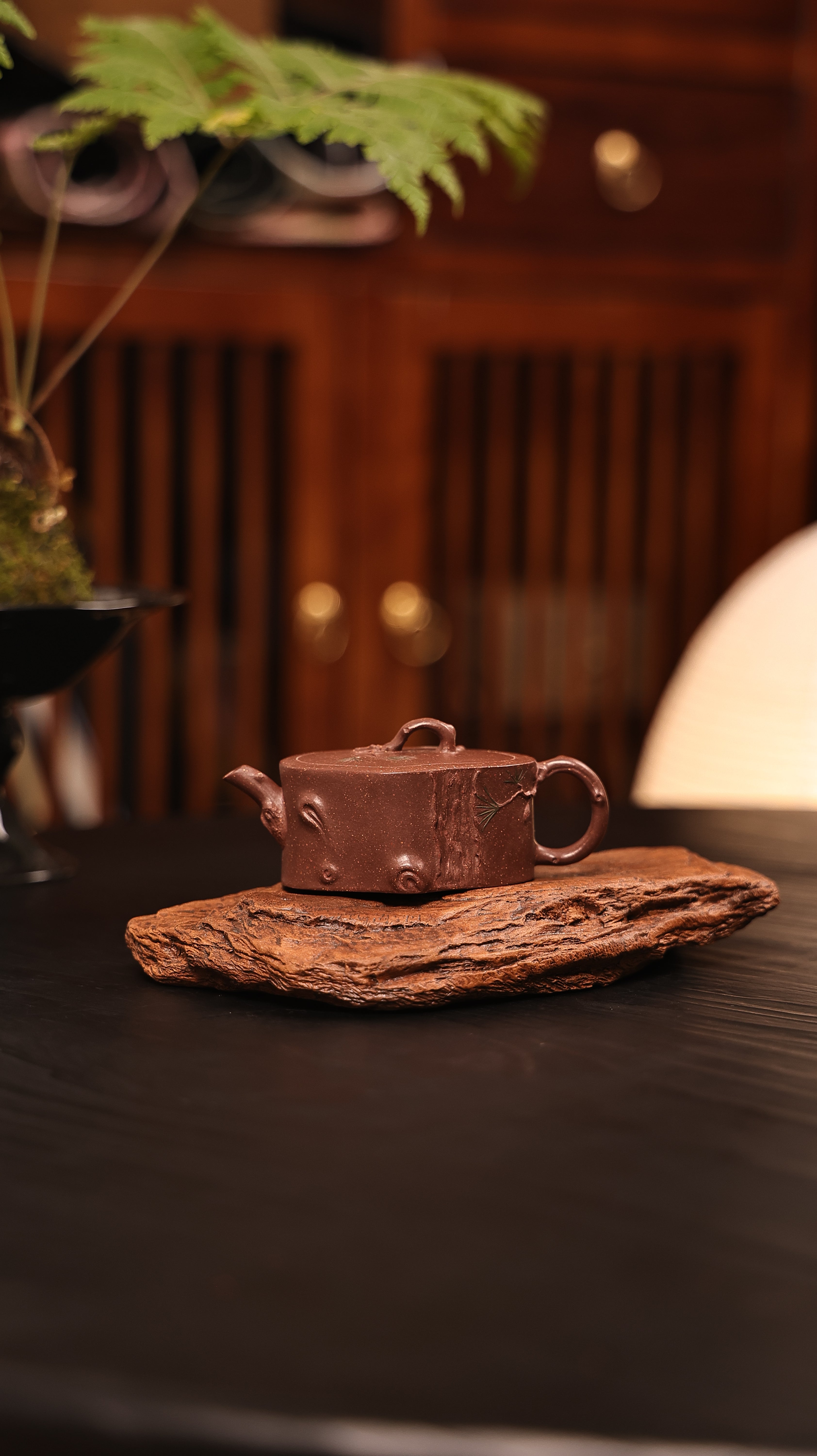
Starting our comprehensive analysis in relation to Yihsing Zisha brewing containers showcases distinct compelling amalgamation featuring know-how conjoined with serviceability.
Yihsing Zisha teapots possess an unique allure among collectors around the planet. The extraordinary ceramic pots, sourced from the distinct Yixing zone near Jiangsu region, China, function as more than just infusion tools; they stand as works art beauty and heritage significance. Such finely refined clay, known as Zisha, imparts a understated flavor over the tea, and the ornate designs, often illustrating traditional Chinese patterns, raise their basic value. Purchasing a genuine Yixing Zisha teapot involves a fulfilling journey, posing careful scrutiny and an comprehension of the several factors influencing the exclusivity.
Delving into Yixing Teapots
Issing ceramic containers boast a fascinating past deeply interwoven with Chinese traditions. Originating in Yixing, Jiangsu area, these pots are crafted from a unique, porous purple terracotta found only in that particular location. Their growth began during the Ming epoch, with master artisans refining the systems over decades. Different types appear, including the classic Hexiang (resembling crab shells), Zhuni (red-brown hue), and Duan Ni (stone-studded) – each with distinctive Yixing Teapot appearances. The cost of an Yixing pottery isn't solely based on its size or decoration, but also on the designer’s reputation, the soil's quality, and the teapot's age and condition. Devotees often seek out older examples, believing they impart the character of the infusion brewed within them over time, further adding to their renown.- Classic Brewing Vessels
- Russet Brewing Vessels
- Granite-Dusted Vessels
Zisha Teapot Mastery: Artistry & Systems
This formation of Zisha teapots represents a pinnacle of Chinese ceramic ability. Master artisans employ historic techniques, often passed down through heritage, to unlock the full capability of this unique clay. Practices involve meticulous molding by hand, often combined with the looping method, followed by precise kilning at incredibly elevated temperatures in wood-fired kilns. Detailing is equally crucial; artists utilize organic clay colors and may incorporate modeling work to depict intricate scenes or patterns, demonstrating a profound knowledge of the material’s aspects and energy. The final teapot isn't merely a vessel for tea, but a testament to a profound cultural history.
Chinese Ceramics: Unique Presentation to Ihsing Tzu Sha
Studying the world of the teapots regularly originates with Yixing Zisha. These rare clay teapots are produced from a distinct type of clay harvested only in the Yixing region of Jiangsu province. Famous for its unique reddish-purple hue and exquisite attributes, Zisha clay injects a subtle flavor to the brew and improves with age, maturing into a cherished prized possession. Holding Yixing Zisha teapots is more than just owning a lovely object; it’s a honoring of legacy and mastery.
Venturing into certain Ceramics: Sincerity & Elevation
Engaging in the arena of Yixing Zisha pottery can be utterly fruitful, but obliges a meticulous judgment. Accuracy is imperative; abundant duplications occur, habitually craftily constructed. Becoming knowledgeable about old-fashioned cooking practices, exclusive soil features, and the signatures of renowned artisans is wholly essential. What’s more, knowing the intricacies of the market direction – influenced by determinants such as classical consequence and the quality of the item – is key to beneficial buying.
- Examining kiln trajectory.
- Requesting specialists for verification.
- Estimating trading trends.
The Technique of Steeping with a Zisha Urn
A distinctive allure of a Zisha apparatus lies not just in its gorgeous appearance, but also in its significant impact on the character of the drink. These traditional clay brewing pots, sourced from unique regions of China, possess a natural porosity that delicately interacts with the solution and leaves, imbuing the tea with a light character. Mastering the technique requires a thoughtful approach, understanding how the earthen material responds to assorted thermal conditions and vegetative types, ultimately leading to a really rewarding tea-drinking event.
Maintaining Personal Jewel
Proper preservation of your Yixing clay pot is indispensable to maintaining its endurance. These special teapots, crafted from uncommon Yixing clay, develop a texture over time that augments their esteem. Consistently rinse the inner area with clean water, avoiding cleaning agents, and never use powerful scrubbing tools. Intermittent gentle dusting with a plush cloth can aid in wiping away marks. Allow your kettle to properly dry once each occasion
Explaining Purple: Aspects Given Vessels Signify Unique
The celebrated appeal of Yixing teapots arises from the singular properties of Yixing clay, discovered solely near Yixing, the Jiangsu area. This exceptional clay, categorized as ferruginous terra cotta , demonstrates a peculiar combination of substances that, after aging, retain the flavor of the brews it retains. This causes a distinctive flavor profile for each kettle, giving it a rate far transcending its baseline price and contributing to their sought-after status among tea enthusiasts.
Identifying the Optimal Traditional Clayware: A Stoneware Explanation
Venturing into the world of Purple clay teapots can feel overwhelming, but understanding the fundamentals is vital to finding a beloved piece. Those clay, sourced chiefly from the Yixing zone, Jiangsu locality, is noted for its peculiar structure and ability to refine the note of the liquid over long haul. Review the profile, the cast, and the style; a legitimate Zisha teapot is more than just a holder; it's a craftwork and a signifier of oriental culture. Check the signature of the potter for clues to its origin and potential standing.