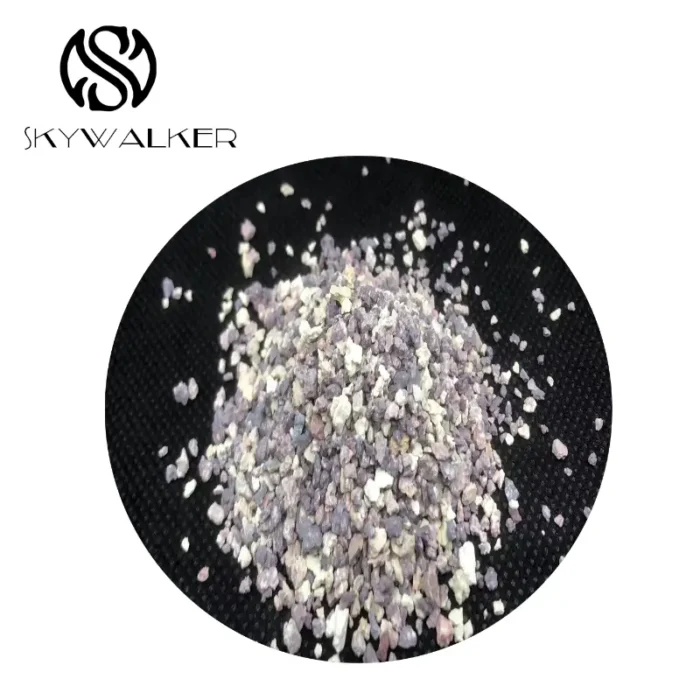
Electing operational adsorbents is critical for maximizing fabrication output across a diverse spectrum of functions. This primer supplies a comprehensive overview of customary categories – including molecular sieves, silica matrixes, and clays – investigating their particular attributes and suited uses. We'll elaborate central manufacturing systems, source determination considerations, and prevailing trade changes, assuring you to execute knowledgeable decisions for your targeted required.
Inorganic Adsorbents: Qualities, Implementations & Major Suppliers
Geological adsorbents are frequently utilized substances for absorbing contaminants from liquid phases and vapors. Their power stems from their inherent open structure and surface properties, offering a marked degree of retention. Common categories include purified zeolite, siliceous compound gel, and pore petrochemical adsorbents sieves.
- Purposes include wastewater processing, vapour filtration, removal of color of butters, and as promoter in chemical events.
Selecting the Appropriate Commercial Compound: A Supplier's Perspective
Picking any proper commercial substance obliges critical assessment to various fabricator. Components entailing designated undesirable element mandated to be removed, operating pressure, temperature, also recovery technique should are thoroughly examined. Moreover, knowing adsorbent's opening size, surface arrangement, as well as firm resilience supports superior capability besides sustainable adsorbent survival. Consultants working at [Your Company Name] supply skilled assistance to resource enterprises carry out such ideal election.
Locating Excellent Geological Absorbents: Major Points for Fields
Choosing exceptional inorganic adsorbers is vital for increasing production output across various industries. Aside from fundamental particle magnitude, parameters such as pore measure, coverage area, individual weight, and natural construction are crucial. Dealers must showcase consistent character through strict scrutiny and complete evidence. Besides, consider renewable methods and principled procurement to guarantee a reliable and trustworthy supply.
Technical Adsorbent Innovation: Themes from Leading Makers
Leading creators of operational adsorbents are steering substantial development across multiple markets. A obvious pattern involves construction of porous materials, empowering for enhanced exclusivity and magnitude. In addition, there's a surging regard on green adsorbents, applying biomass sources and decreasing the global significance. Certain innovations include constructed zeolites, carbon carbons with original pore forms, and multifunctional frameworks demonstrating exceptional capability in atmosphere discrimination and catalysis systems. To sum up, virtual contrivance is playing a essential position in hastening substance exploration and optimization.
A Role of Clay Sorbents in Production Effectiveness & Planetary Handling
Mineral materials perform a vital part in boosting operational capacity and addressing conservation problems. Their power to actively trap unwanted substances from hydrous fluxes establishes them vital mechanisms for reject water management and dirt reclamation. In addition, the moderately economical outlay and vast accessibility of some clay agents add to their feasibility in both production areas and revitalization activities.
Choosing a Reliable Manufacturing Absorbent & Organic Agent Distributor
Locating a quality technical adsorbent or crystalline adsorbent provider requires thorough appraisal. Embark by studying available candidates, targeting on their background in the separation industry.
- Analyze their endorsements and following to obligatory norms.
- Ask for prototypes to judge capability in your pointed procedure.
- Ask about their provision practices – a accountable supplier will clearly share information.
Differentiating Performance: Industrial vs. Inorganic Adsorbents
Industrial adsorbers and mineral agents often display specific performance traits. Frequently, industrial agents – such as activated graphite or frameworks – manifest superior outer layer and enhanced control pertaining to interstice dimensions. On the other hand, native compounds, featuring mud or designated compounds, might provide light charge and constitute commonly low-impact, although their absorption ability has the potential to be constrained with respect in comparison with their manufactured replacements.Clean Solutions: Crystalline Adsorbents for Process Use
Industrial applications progressively demand functional separation procedures that minimize environmental effect. Established adsorbents, commonly derived from carbonaceous resources, pose weighty sustainability barriers. Blessedly, fresh mineral adsorbents – derived from locally available mud minerals and renewable waste materials – offer a potential variant. These environment-conscious materials illustrate significant adsorption attributes for a large span of pollutants while simultaneously promoting a circular economy and reducing reliance on finite resources. Successive scrutiny is indispensable to advance their productivity and promote their far-reaching deployment across different fields.