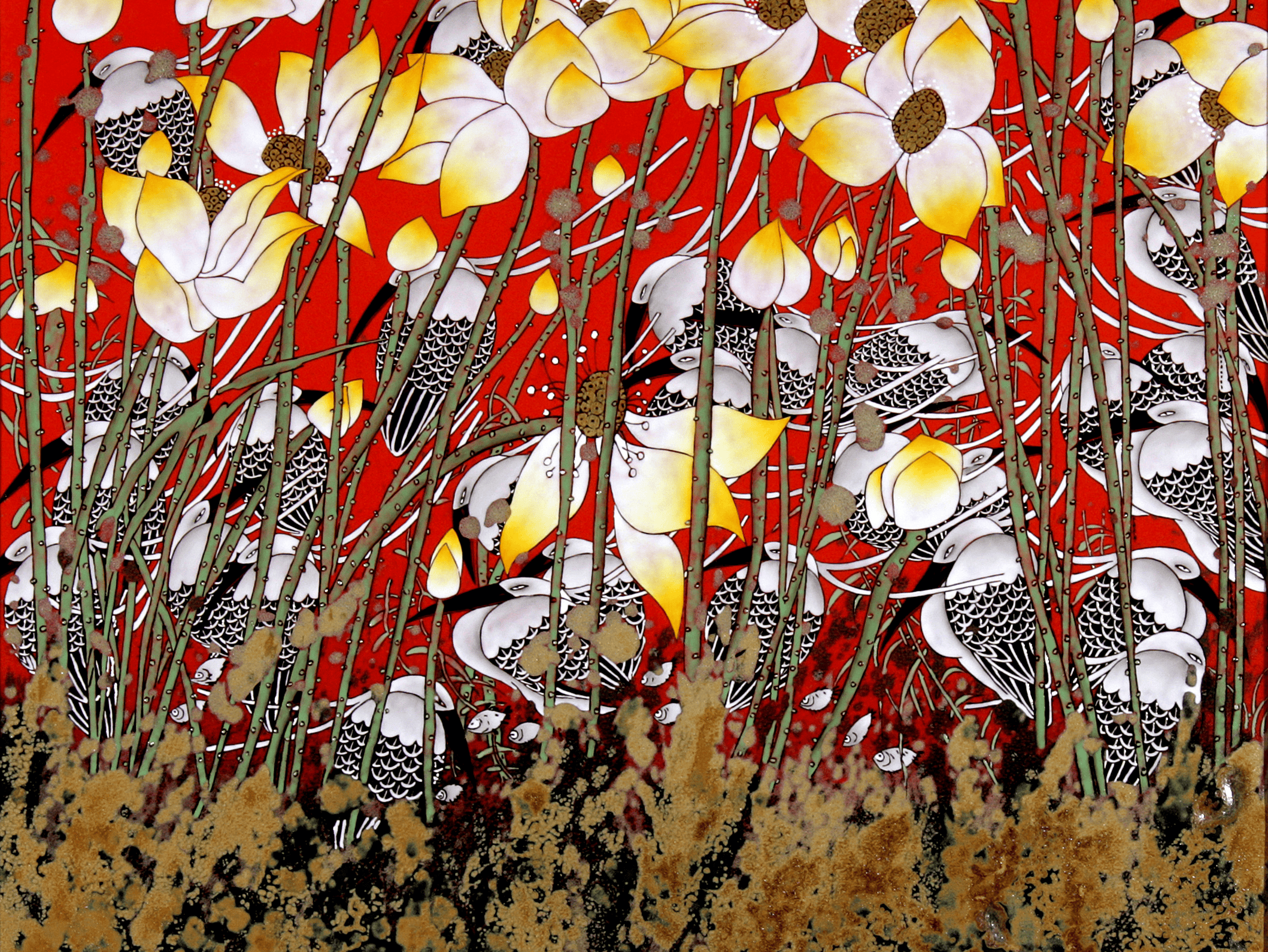
Pottery model constitutes a impressive work type with a vast legacy, extending back multiple of times. From ancient containers to up-to-date showcases, the medium offers unequalled possibilities for creative performance. Creators apply distinct techniques – including fabricating, wheel spinning, and complex firing processes – to alter humble loam into beautiful three-dimensional creations. The permanence of fired clay also contributes to its status as a truly memorable part of human society.
Investigating Earthenware Marker Layouts and Strategies
The world of ceramic tile design offers a expansive array of imaginative possibilities. Creators often apply a amalgamation of authentic and up-to-date techniques to craft visually bold pieces. These can move from simple, shaped reliefs to complex, multi-layered compositions. Common methods include the slip cast process, manual forming, enameling – which can involve different methods like underglaze painting, applying decoration after firing, and engraved motif where designs are exposed by taking away a layer of coating. Further exploration into finishing techniques such as raku firing and lustreware can lead to truly uncommon and bespoke stoneware panels.
- Slip Casting - Assembling pieces using a design
- Artisanal Molding - Accurately crafting the clay
- The glaze process - Coating the external area with a silky finish
- Incised pattern - Uncovering designs by eroding shells
Absorbing Experiences: Clay Art Assemblies
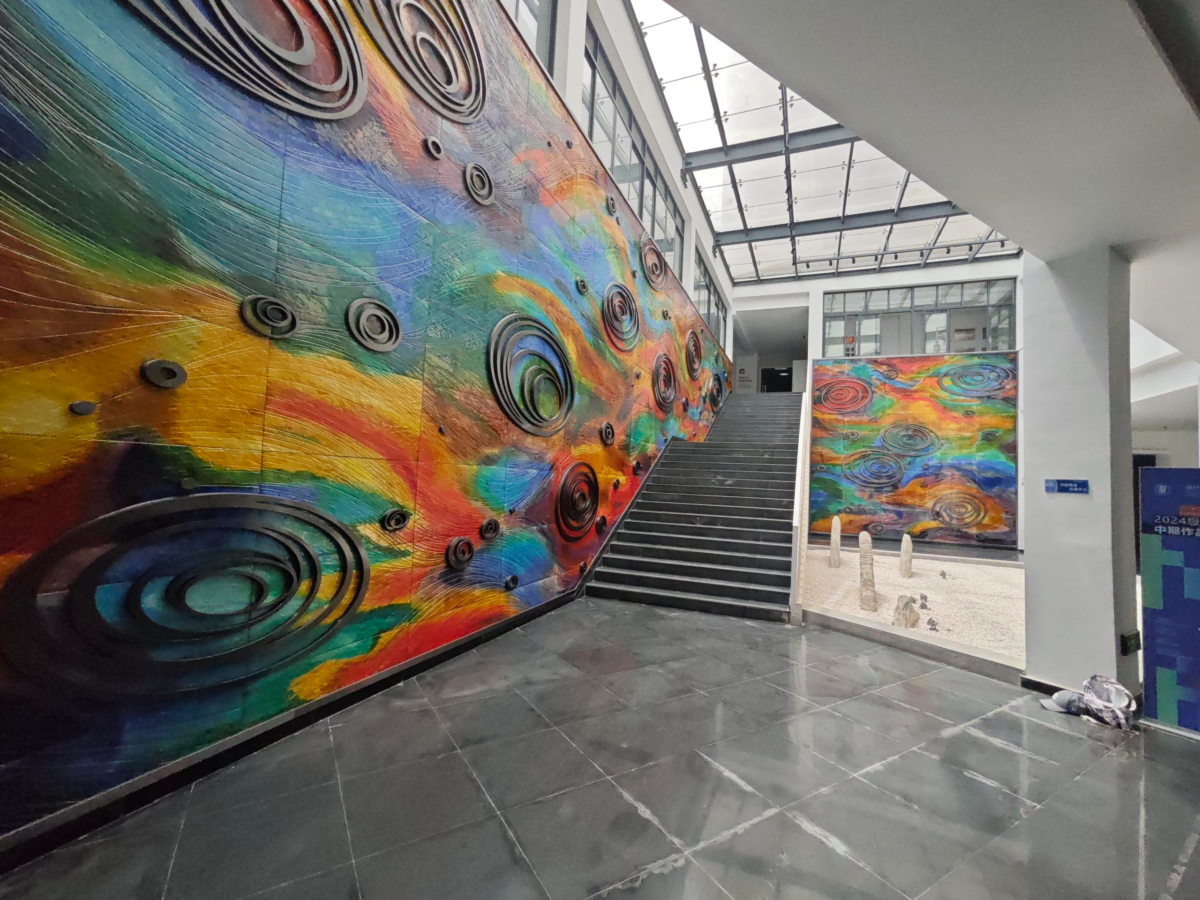
The advancing landscape of expression presents exciting new avenues for attendees, and ceramic art installations are at the cutting edge of this movement. These aren't just static creations; they are built to envelop the guest in a sensory ambiance. Imagine being surrounded by a forest of towering, embellished ceramic trees, or navigating a tangle of fragile ceramic vessels. Many sculptors are now incorporating music, luminescence, and even odor to enhance the feeling of their work. Reflect on the power of a room filled with hundreds of individually ceramic forms, each telling a tale. Typically, such installations delve into themes of landscape, remembrance, and the collective.
- The aforementioned installations blur the lines between craft and architecture.
- Participating in a ceramic art installation can be a deeply personal journey.
- Makers are transporting the constraints of what is realizable with clay.
That Attractiveness of the Earthenware Holder: Function and Appearance
The brick container represents a impressive blend of usefulness and imaginative appeal. Historically, these vessels served a primary role in supporting objects, but their development has transformed them into highly valued works of creation. Each artifact showcases the expertise of the artisan, demonstrating how contour can be as important as role. The thoughtful shaping, the rare glazes, and the general presence of a skillfully-formed vessel can enhance a space, offering both charm and a reserved reminder of the human hand.
Current Porcelain Figure : Broadening Boundaries
Current earthenware creation represents a fascinating transformation from ancestral practices. Artists are boldly exploring with fresh tactics, merging the separations between sculpture and other creative fields. From expansive installations to fine miniature pieces, those works study themes of individuality while in unison remodeling the basic of what porcelain can manifest. The upshot is a forceful sector of inventive display.
Brick Badge: Keeping Record in Stoneware
Terracotta plaques offer a exclusive method for capturing significant events and characters. As opposed to traditional metal or stone markers, these tough pieces of design are formed from hardened clay, creating a tangible link to the olden times. Traditionally, they exhibit intricate sculptures or vividly colored imagery, narrating stories that might otherwise be forgotten. One technique, linked to ancient tribes, provides a visually appealing and permanent way to honor our collective Ceramic Tableware chronicle.
- The aforementioned can be positioned in communal spaces.
- Scores of are now acknowledged historical objects.
Clay Art Installations: Shifting Venues
Pottery art installations are flourishing a potent medium for sculptors to reimagine public and private sites. These immersive creations frequently involve large-scale clay models that involve viewers, shifting their awareness of the created environment. By incorporating diverse ways like slab forming and complex firing systems, ceramic artists produce truly extraordinary experiences, challenging the thresholds between craft and architecture. The product is often a moving conversion that enriches the creative quality of the setting and initiates reflection.
Outset Turning Device to Awe: The Technique of the Stoneware Container
The journey of a porcelain pot from a simple lump of loam to a finished work of mastery is a testament to human ingenuity. Conventionally, the process kicks off with the potter’s lathe, where the expert artisan molds the revolving terracotta into a cylindrical structure. This beginning stage demands exactness and a acute eye, followed by a delicate hardening period. Once pre-fired, the vase is ready for adornment, which may engage designing intricate motifs, cutting detailed vignettes, or using a range of layers. The final heating process then converts the artifact into a durable and beautiful container, a tangible expression of the builder's vision.
Working with Stoneware: A Course to Brick Art
Entering the landscape of ceramic design begins with grasping the essentials of forming with terracotta. A practice involves thoughtfully assembling and carving components to make three-dimensional models. If you're a neophyte or a seasoned artist, playing with various sorts of ceramic material – including terracotta – will aid you reveal your singular method. Conclusively, stoneware crafting is a enriching experience that integrates specialized ability with artistic representation.